Pre-Purchase Thermal Drone Inspections: What Buyers Should Know

A licensed general home inspector covers a lot of ground in a few hours: structural, electrical, plumbing, HVAC, and a visual review of the roof and attic where accessible. What that inspection generally isn't built to do is map insulation coverage across the entire envelope or detect trapped moisture under a flat-roof section — both of which require thermal imaging and, in the case of a full roofline or flat-roof read, a vantage point a person on a ladder doesn't have.
Where it fits in your timeline
This is an add-on to your due-diligence process, not a replacement for your inspector. The best time to schedule it is as early in your option or inspection period as your contract allows — thermal scans depend on the right temperature conditions being available, so building in scheduling flexibility matters more here than for a standard walkthrough inspection, which can happen rain or shine.
What gets flown
- Full roofline pass for insulation-related heat loss and envelope gaps
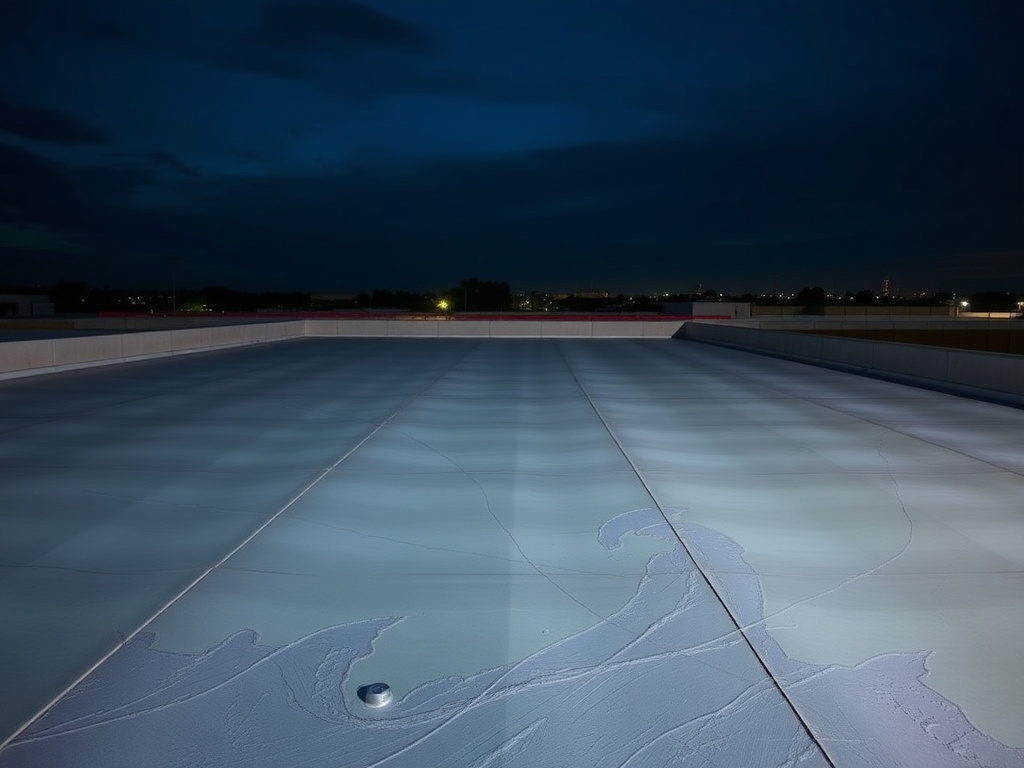
- A separate nighttime flight for any flat or low-slope roof section, checking for trapped moisture
- Attic and envelope areas where insulation coverage can be assessed from outside the structure
Using the findings in negotiation
A dated, GPS-tagged report with matching thermal and visual imagery gives you something more specific than "the attic insulation looked thin" — it gives you documented, located findings you can bring to your agent or attorney as part of a repair request or price negotiation during your option period. Sellers and listing agents use the same tool proactively, running a pre-listing scan to catch and address issues before they become a buyer's negotiating leverage.
It won't catch everything, and that's fine
A thermal scan is scoped to the roof, envelope, and insulation — it's not a structural, electrical, or plumbing inspection, and it's not a substitute for your general inspector's report. Think of it as a specialized layer added on top of standard due diligence, not a replacement for any part of it.
Frequently asked questions
As much as your contract allows. Because thermal scans depend on the right conditions, booking early in your due-diligence window gives room for a short weather-related reschedule without missing your deadline.
Yes — the report is yours to use as part of your negotiation, whether that's sharing it directly, through your agent, or through your attorney.
Ready to request an inspection?
Tell us about your property and we'll scope the right thermal inspection.