Pre-Purchase Drone Inspection
A thermal drone add-on to your pre-purchase due diligence — flagging roof moisture and insulation gaps before you close, not after.
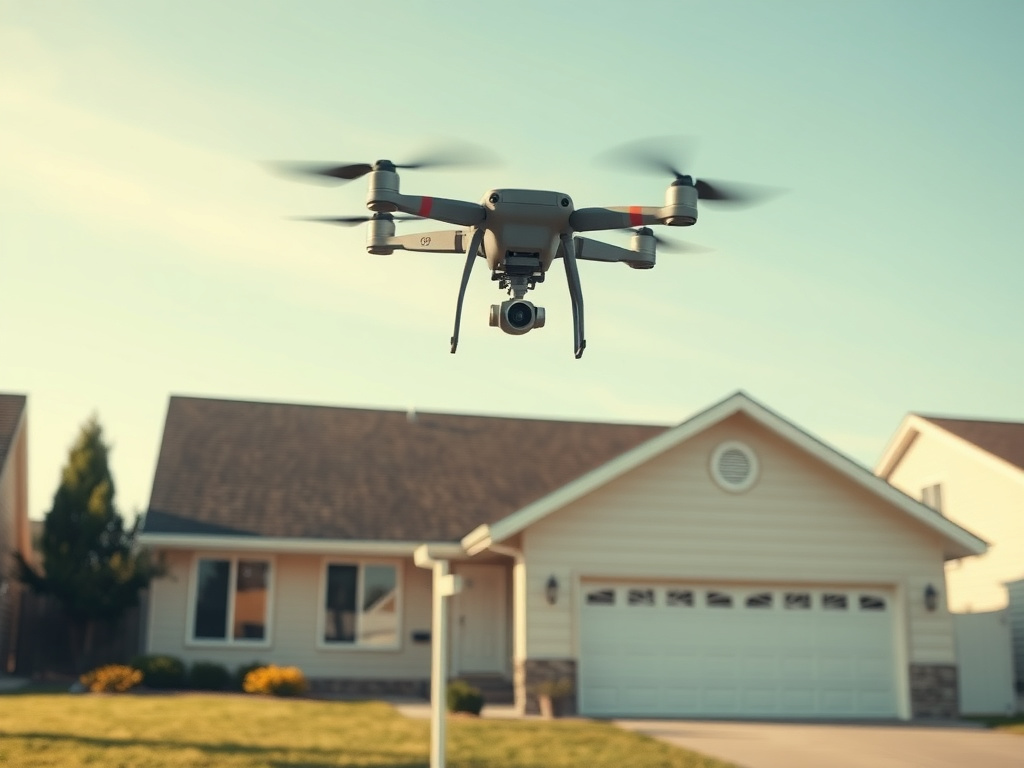
A standard home inspection is a visual, hands-on walkthrough — thorough, but limited to what's accessible and visible in the time allotted. It generally can't tell you whether the attic insulation is evenly distributed, whether a flat-roof addition has trapped moisture under the membrane, or where heat is escaping through the envelope. A thermal drone scan adds exactly that layer: a full-roof, full-envelope infrared pass that flags anomalies a walkthrough inspection structurally can't detect.
This is commonly used two ways: by buyers, as an added layer of due diligence before closing, and by sellers or listing agents, as a pre-listing report that gets ahead of surprises before they show up in a buyer's own inspection or become a negotiating point at the closing table.
Because we schedule around whatever conditions give the clearest thermal read for that specific property, we recommend booking as early in your due-diligence window as your timeline allows.
Why it's requested
- Flags roof moisture and insulation gaps a standard visual walkthrough can't detect
- Gives buyers a documented, independent basis for renegotiating price or requesting repairs
- Gives sellers a chance to address issues before they surface in a buyer's inspection
- Fast turnaround built to work within a typical due-diligence or option period
What a pre-purchase thermal scan covers
A pre-purchase flight typically covers the full roofline and, where relevant, a flat or low-slope section separately for moisture, plus an insulation-focused pass over the attic and envelope. Every flagged anomaly — whether a suspected moisture zone or an insulation gap — is documented with matching thermal and visual imagery and a plain-language note on the likely cause.
- Full roofline thermal + visual imagery pass
- Flat/low-slope moisture check where applicable
- Attic and envelope insulation gap detection
- A report formatted to share directly with your agent, inspector, or the other party in negotiations
Timing it with your due-diligence window
Because thermal scans depend on the right temperature conditions — a meaningful indoor/outdoor differential for insulation, or a clear night with a real day/night swing for moisture — we recommend scheduling as soon as you're under contract rather than waiting until the final days of your inspection period, so there's flexibility if conditions require a short reschedule.
Ideal for
- Home buyers who want an added layer of due diligence before closing
- Sellers and listing agents preparing a pre-listing disclosure package
- Buyers of properties with flat-roof additions, older roofing, or an unusually high utility bill history
- Real estate agents who want to offer clients a differentiated, documented inspection add-on
What affects the cost
Pre-Purchase Inspection questions, answered
No — it's designed to complement a standard home inspection, not replace it. A licensed general inspector covers structural, mechanical, electrical, and plumbing systems; a thermal drone scan adds a focused, envelope- and roof-specific layer those inspections don't typically include.
Buyers commonly do use a documented thermal inspection report as part of a repair request or renegotiation during their option period — the dated, GPS-tagged imagery gives you specific, defensible findings rather than a general impression.
Standard reports typically deliver in 24-48 hours after the flight. If you're working a short option period, tell us your deadline when booking and we'll let you know what's realistic given weather and scheduling.
Yes — we fly pitched residential roofs for insulation and envelope scans, and flat or low-slope sections separately for moisture, since each uses a different thermal approach and timing.
Related services
Ready to request a pre-purchase inspection?
Tell us about your property and we'll dispatch an FAA Part 107 certified pilot to map insulation gaps, roof moisture, or heat loss — with a clear report in your hands within days.