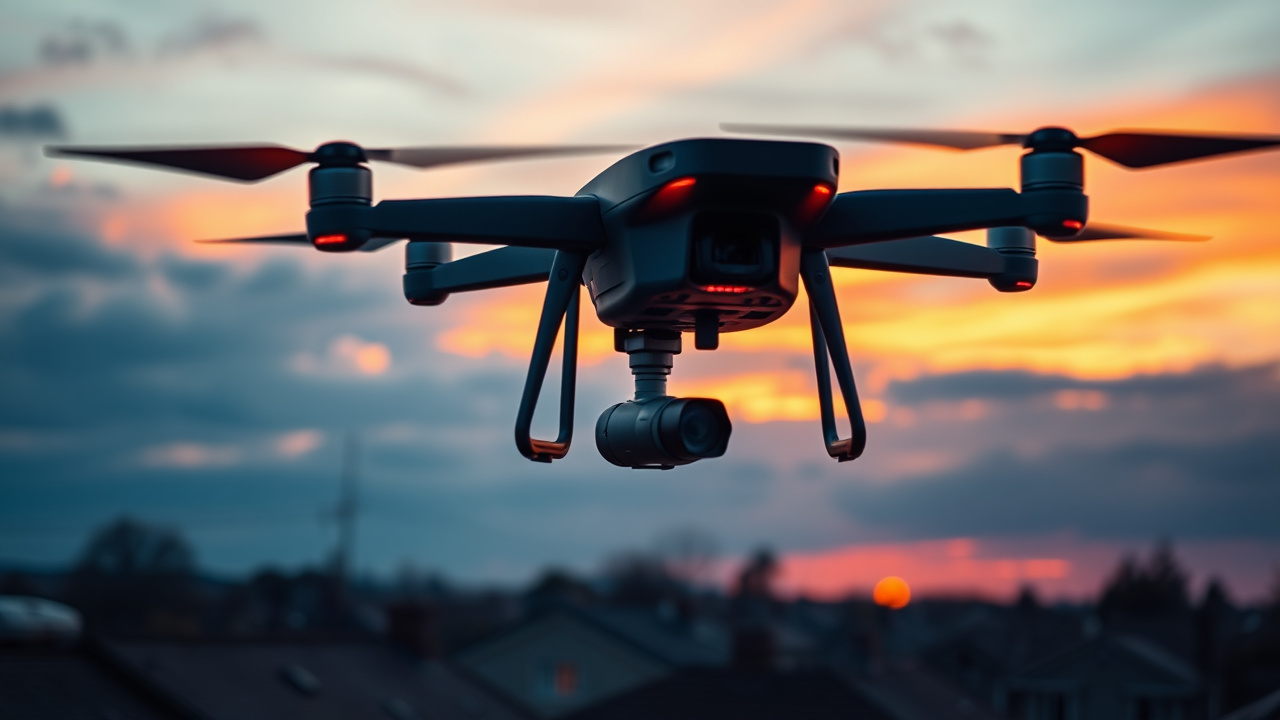
See the heat loss before it costs you.
Infrared drone imaging that maps missing insulation, roof moisture, and heat loss — for homeowners, real estate buyers, and commercial property managers. FAA Part 107 certified pilots dispatched to your property, with a clear annotated report in days, not weeks.
Find out what your roof is hiding
A hot upstairs room, a suspected roof leak, or a home you're about to buy — tell us about your property and we'll scope the right inspection.
- Insulation gaps mapped, not guessed at
- Roof moisture found before it's a leak
- Annotated report in 24-48 hours
A thermal camera reads temperature. That's enough to find what's hidden.
Every surface gives off infrared radiation based on its temperature. Where insulation is missing or thin, heat moves through a ceiling or wall faster than the surrounding insulated areas — a clear, mappable contrast on a radiometric thermal image. Roof moisture works on a related but different principle: wet material holds heat longer than dry material after sunset, so a nighttime flight reveals trapped moisture as a lingering warm patch on an otherwise cooling roof.
A drone changes what that scan can cover. Instead of a handheld camera working room by room, we capture the entire roofline, attic exterior, or commercial roof surface from a consistent standoff angle in a single flight — full coverage, no missed sections, no one walking a steep or wet roof to get the data.
We're a dedicated thermal drone inspection service — not a general drone photography company that also does thermal on the side.
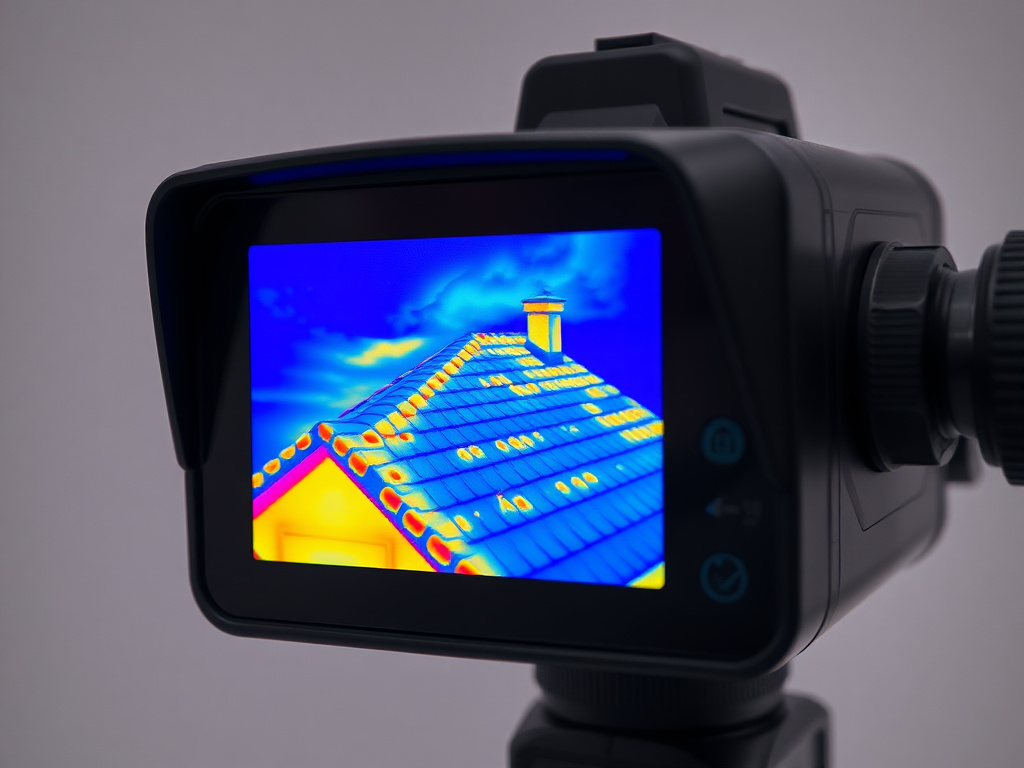
Thermal inspections for homeowners, buyers, and commercial roofs
From a single-family attic to a multi-building commercial portfolio — click any service to see how it works, what's included, and what affects the cost.
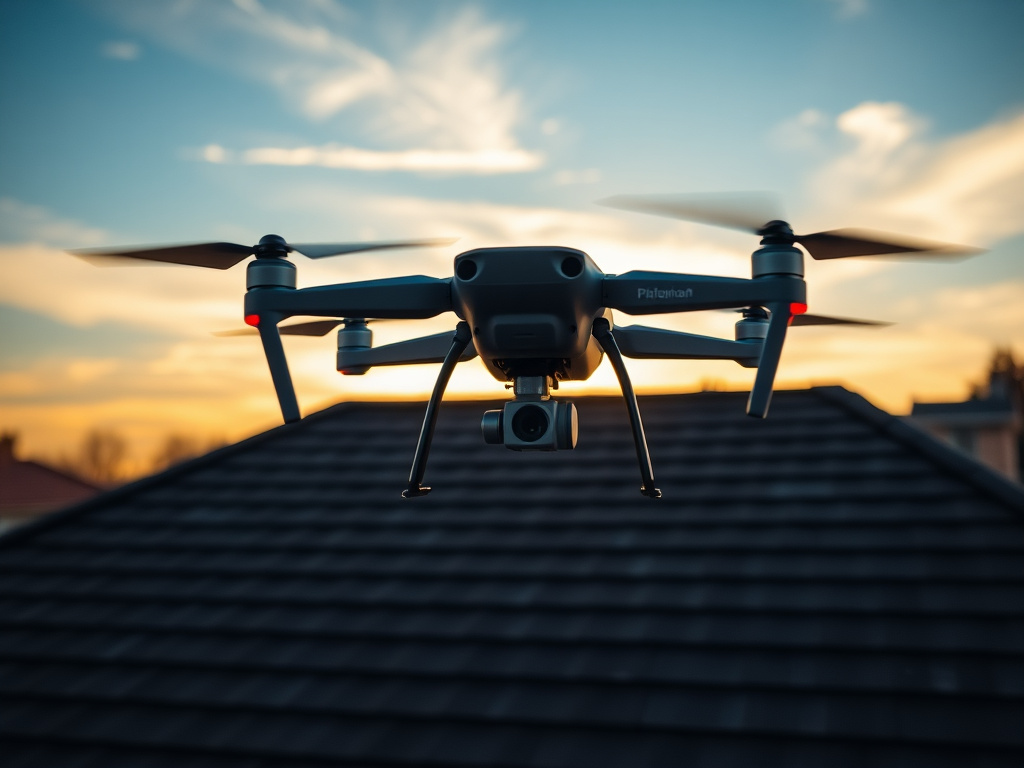
Full coverage, safely, without walking the roof.
Safer than a walked inspection
No one has to climb a ladder, walk a steep pitch, or step onto a fragile or wet membrane roof to get complete data.
Complete, consistent coverage
A single flight captures the entire roofline or roof surface from a consistent angle — no missed sections, no distortion from an oblique handheld angle.
Interpreted, not just photographed
Every flagged area is reviewed by a trained analyst who distinguishes a genuine insulation gap or moisture zone from sun exposure, fixtures, or other anomalies.
FAA Part 107 certified pilots, dispatched nationwide.
We're not a local shop with one drone and a service radius. We coordinate certified pilots across the country, so whether you're a homeowner in one state or a property manager overseeing buildings in five, you get the same methodology and the same report format everywhere.
Request an inspectionFAA Part 107 certified
Every flight is flown by a pilot holding an FAA Remote Pilot Certificate, the credential required for commercial drone operations.
Fully insured operations
We carry commercial drone liability coverage as standard practice on every job.
Consistent reporting
The same annotated, GPS-tagged report format nationwide — easy to compare across properties or portfolio sites.
Residential & commercial
From a single attic scan to a multi-building portfolio assessment, scoped to what you actually need.
From request to report in a handful of days
Scope the inspection
Tell us about your property and concern — we recommend the right service and confirm scheduling conditions.
Pilot dispatched
An FAA Part 107 certified pilot flies your property when conditions give the clearest thermal read.
Imagery analyzed
A trained analyst reviews every capture, distinguishing real findings from thermal noise.
Report delivered
An annotated report with matching thermal and visual imagery, typically within 24-48 hours.
Thermal drone inspection FAQs
A radiometric thermal camera measures surface temperature, not what's inside a wall. Where insulation is missing, thin, or compressed, heat moves through that section of ceiling or roof faster than the surrounding insulated areas — showing up as a clear, mappable temperature contrast on the thermal image.
Wet roofing material holds heat longer than dry material after sunset. A moisture survey is flown a few hours after dark, once dry sections have cooled but saturated areas are still holding residual heat — that's the window where the contrast is clearest.
It depends on property size, roof type, and location — residential scans are typically priced per inspection, while commercial and portfolio work is often scoped by roof square footage. See our pricing page for typical ranges, or request an inspection for a firm quote.
We dispatch FAA Part 107 certified drone pilots nationwide. Tell us your location when you request an inspection and we'll confirm scheduling for your area.
No — it's a focused, specialized add-on for roof, envelope, and insulation issues, commonly used alongside a standard general home inspection, not in place of one.
A dated, GPS-tagged report can serve as independent documentation you or your contractor submit as part of your own claims process. We're an inspection service — we don't file claims or represent any insurance carrier.
Request your thermal drone inspection
Tell us about your property and we'll dispatch an FAA Part 107 certified pilot to map insulation gaps, roof moisture, or heat loss — with a clear report in your hands within days.