How Thermal Drone Imaging Actually Finds Missing Insulation
It's a common assumption: a thermal camera lets you "see inside" a wall or attic. That's not quite right, and understanding what it actually does is the key to understanding why the results are trustworthy.
Thermal cameras measure surface temperature, not what's inside
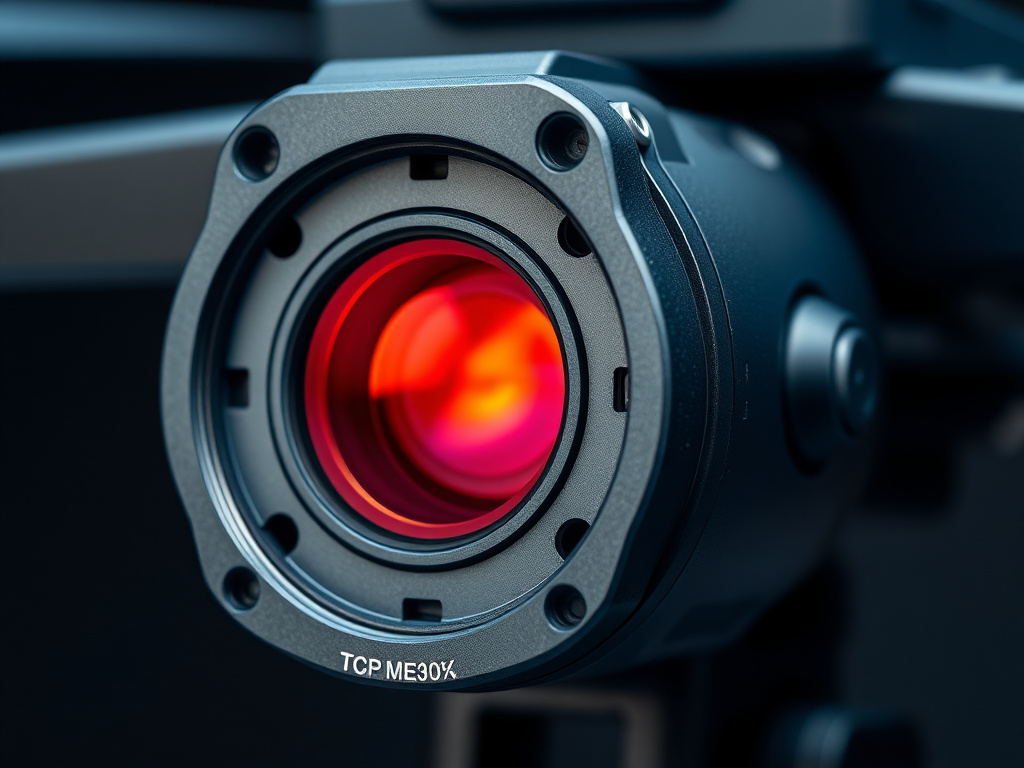
Every object emits infrared radiation in proportion to its temperature. A radiometric thermal camera — the type used in professional drone inspections — converts that radiation into a color-mapped image, where each pixel represents a measured surface temperature. It's reading the outside of the roof, ceiling, or wall, not looking through it.
So how does that find missing insulation, which is on the inside? Through heat transfer. Insulation's entire job is to slow the rate at which heat moves through a building assembly. Where insulation is present and doing its job, the surface on the far side stays close to a consistent, predictable temperature. Where it's missing, too thin, compressed, or was installed with gaps, heat moves through much faster — and that shows up as a measurably different surface temperature in exactly that spot.
Why the contrast needs a real temperature difference to work
This only works when there's a meaningful temperature difference between the two sides of the assembly — typically the conditioned indoor air and the outdoor air. If it's 72°F inside and 70°F outside, there's almost no heat pressure driving a detectable difference, and the whole roofline will read close to the same temperature whether insulation is there or not.
That's why insulation scans are scheduled for whenever the temperature swing is working in our favor — often early morning or evening, or seasons with a real day/night differential. It's also why a legitimate inspection report will note the conditions the scan was flown under: it's part of what makes the findings defensible.
What a missing-insulation "signature" actually looks like
On a thermal image, a genuine insulation gap typically appears as a defined patch with edges that follow building elements — the outline of a stud bay, the rectangle of an attic hatch, a line tracing a top plate or duct chase. That geometric regularity is one of the things a trained interpreter looks for to distinguish an actual insulation problem from other thermal anomalies, like a recessed light fixture running warm, uneven sun exposure on one roof face, or a duct leak (which has its own distinct signature, often a more diffuse, streaking pattern rather than a sharp-edged bay outline).
Why a drone changes the coverage, not just the convenience
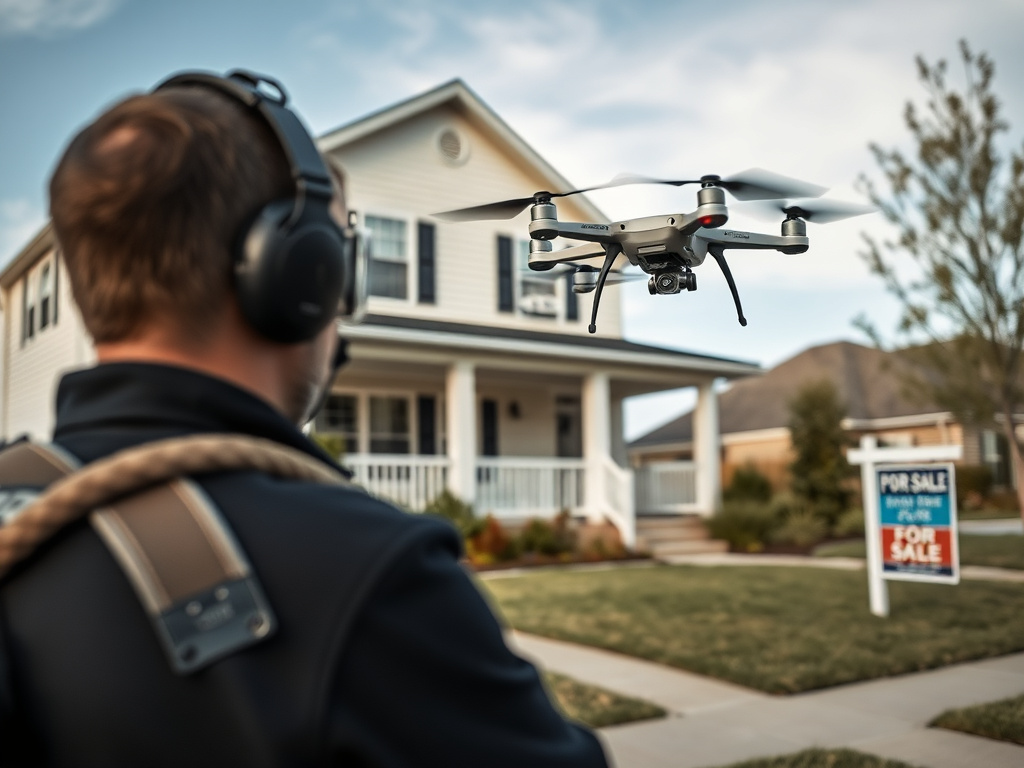
A handheld thermal camera works room by room, wall by wall, from inside the house — useful, but limited to what's accessible, and vulnerable to the inspector's own body heat skewing close-range readings. A drone captures the entire roofline and attic exterior from a consistent standoff distance and angle in a single flight, producing complete, comparable coverage rather than a series of disconnected spot checks. For large or steep roofs, that's also the safer option — no one has to walk the surface to get the data.
What this can't tell you
A thermal scan identifies where the heat transfer suggests an insulation problem — it doesn't measure exact R-value, and it can't distinguish "insulation was never installed here" from "insulation settled over time" without a physical follow-up look in that specific spot. It's a mapping and documentation tool that tells you precisely where to look and what an insulation contractor is dealing with — not a lab measurement.
Frequently asked questions
No. It measures surface temperature and infers what's happening inside based on how fast heat is moving through — it doesn't produce an X-ray-style view of the interior.
Yes. Direct sun on one side of a roof, rain, and high wind can all distort surface temperatures independent of insulation, which is why flights are scheduled around stable conditions rather than a fixed date.
Ready to request an inspection?
Tell us about your property and we'll scope the right thermal inspection.